


 Comments (0)
 3 min Read
By Shaharyar Technologies, May 26, 2026
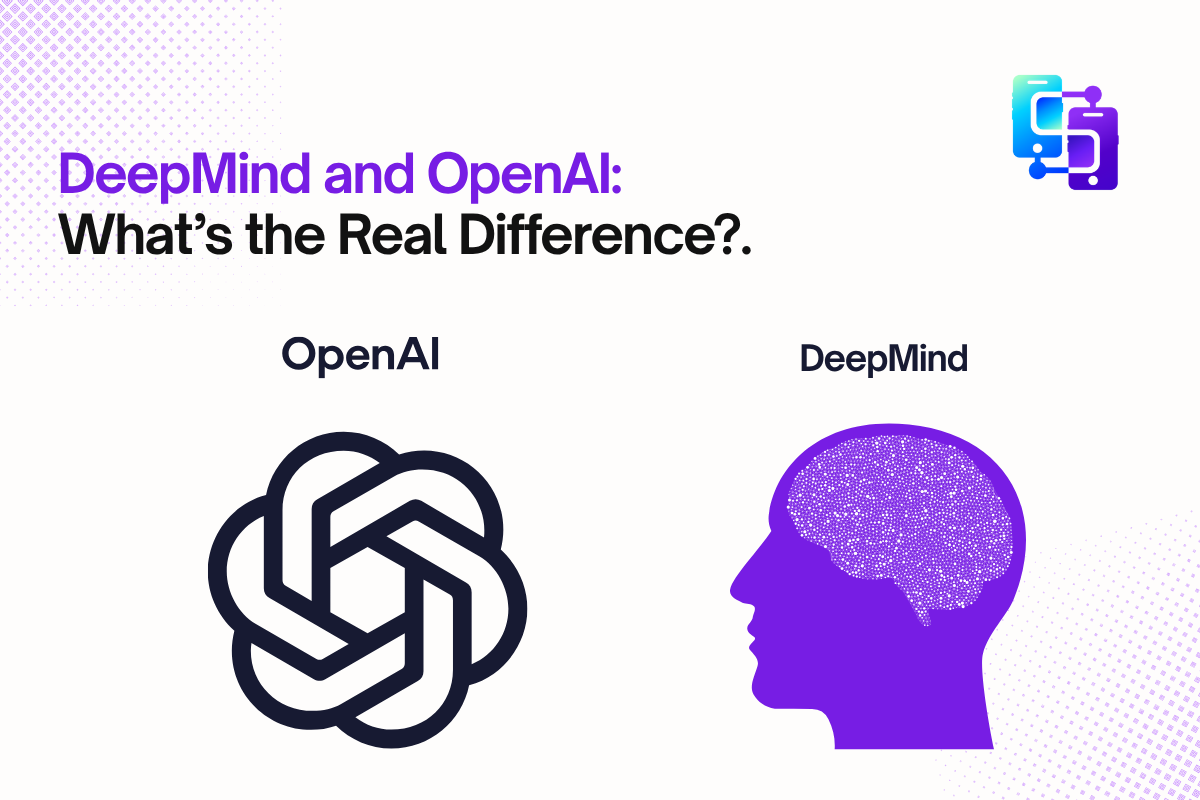
If you have been following the artificial intelligence space, then there is no way you have missed the competition between Google DeepMind and OpenAI. In simple terms, it looks like both organizations are involved in the same thing by exploring the realms of AI and creating machines capable of reasoning, creation, and problem-solving to incredible extents. But if you take a closer look, then it becomes evident that they are pretty different from each other. This article will explain all about it.
What Is DeepMind?
DeepMind is an artificial intelligence research lab that was first formed in London in 2010 and then bought by Google in 2014. As a company that works within Alphabet Inc., DeepMind has access to some of the best technology in the world. DeepMind has never lost sight of its scientific core; it is organized around a long-term vision and not a product cycle, where innovations emerge in scientific journals long before hitting the consumer market.
DeepMind Vs Gemini (The secret behind both relations)
Gemini is the most recognizable consumer product of this model. Many people assume these are two separate things, but they are not. DeepMind is the engine, and Gemini is the face. One builds intelligence, and the other delivers it to the world.
How to Use DeepMind
DeepMind does not have a standalone product that individuals can sign up for and use directly. The most accessible way to experience DeepMind technology today is through Google products, particularly Google Search AI features, Google Assistant, and Gemini. Getting started with Gemini is straightforward. Simply visit gemini.google.com, sign in with your existing Google account, and you can begin using it immediately at no cost.
What Is OpenAI?
OpenAI was founded in San Francisco in 2015 as a nonprofit with a stated mission of ensuring that artificial intelligence benefits all of humanity. Its early backers included Elon Musk and Sam Altman, among others. Over time, this model transitioned into a capped-profit structure and formed a significant partnership with Microsoft.
ChatGPT Project of OpenAI
The release of ChatGPT in late 2022 marked a turning point for OpenAI, bringing large language model technology to the mainstream for the first time at scale.
How To Use OpenAI?
OpenAI offers direct and immediate access to its technology for both everyday users and developers. The easiest way to start is to use ChatGPT, which requires visiting chat.openai.com, creating an account, and starting to communicate, generate content, solve problems, and answer questions. In addition, OpenAI offers a premium ChatGPT Plus subscription that provides instant access to the latest models and enables faster reasoning.
The Differences Between DeepMind VS OpenAI
The core difference between these two organizations comes down to four key areas.
Ownership and Structure
Google DeepMind AI is owned by Alphabet Inc., meaning that the company's assets, infrastructure, and strategy depend on one of the world's largest technology firms. OpenAI, in turn, is owned by the cap-profit non-profit organization, with Microsoft being its principal business partner. The organizational differences are relevant for funding and commercialization aspects, among others.
Research Philosophy
While DeepMind's work on deep learning is more focused on the academic side, with special emphasis on publishing research papers and increasing the scientific community's general knowledge of artificial intelligence, OpenAI's activities were more practical. The company focuses more on creating solutions that can actually be put into production and used in practice.
Products and Public Presence
The most visible difference between the two companies is OpenAI's market presence, thanks to its products ChatGPT, DALL-E, and APIs. At the same time, DeepMind technology is used less conspicuously, through Alphabet applications such as Google Search and Google Assistant.
Safety and Ethics Approach
Both organizations deepmind vs openai invest heavily in AI safety research, but their approaches differ in emphasis. For instance, while DeepMind has an entire team focused on safety issues and has written extensively about reward models and specification gaming, OpenAI formed its Superalignment team to control superintelligent agents.
Is DeepMind Better Than OpenAI?
This is among the top searches in the AI field, and a simple answer is that it depends on the definition of "better." If it's purely based on scientific success and contributions, then DeepMind technology has an unrivalled legacy, from AlphaGo and AlphaFold to its innovations in reinforcement learning.
When it comes to product success, market presence, and consumer adoption, however, OpenAI edges ahead by a substantial margin. These are both world-class firms at the forefront of AI development.
Final Thoughts
Both DeepMind and OpenAI are playing important roles in the future development of artificial intelligence in very different ways. As both companies move forward in their efforts towards AGI, multimodal intelligence, and robotics, the divide between their scientific endeavors and the practical applications will only keep getting smaller. Understanding both is essential for anyone who wants to follow where this technology is actually heading. To learn more about technologies, read our other blogs at Shaharyar Technologies.
 Aug 20, 2026

Leave A Comment