


 Comments (0)
 3 min Read
By Shaharyar Technologies, June 09, 2026
A small e-commerce brand spent $4,000 on Google Ads in January. Traffic spiked. Sales came in. February's budget ran out and so did the traffic. Meanwhile, a competitor had spent that same period publishing SEO-optimized content. By March, they were ranking on page one for every keyword the first brand had been paying for.
Neither approach was wrong. The timing and strategy were. So before you move another dollar into Google Ads or assign another blog post to your content team, ask yourself three questions:
Do you need traffic this week or traffic that lasts three years? Are you testing a new offer or building a brand that owns its market? Do you have a budget to spend consistently, or do you need results that don't stop when the money does?
Your answers to those three questions will tell you more about your SEO and PPC strategy than any generic guide ever could.
This article is for business owners and marketers who are done with vague advice. We're going to break down the real difference between SEO and PPC, and show you exactly where each one wins.
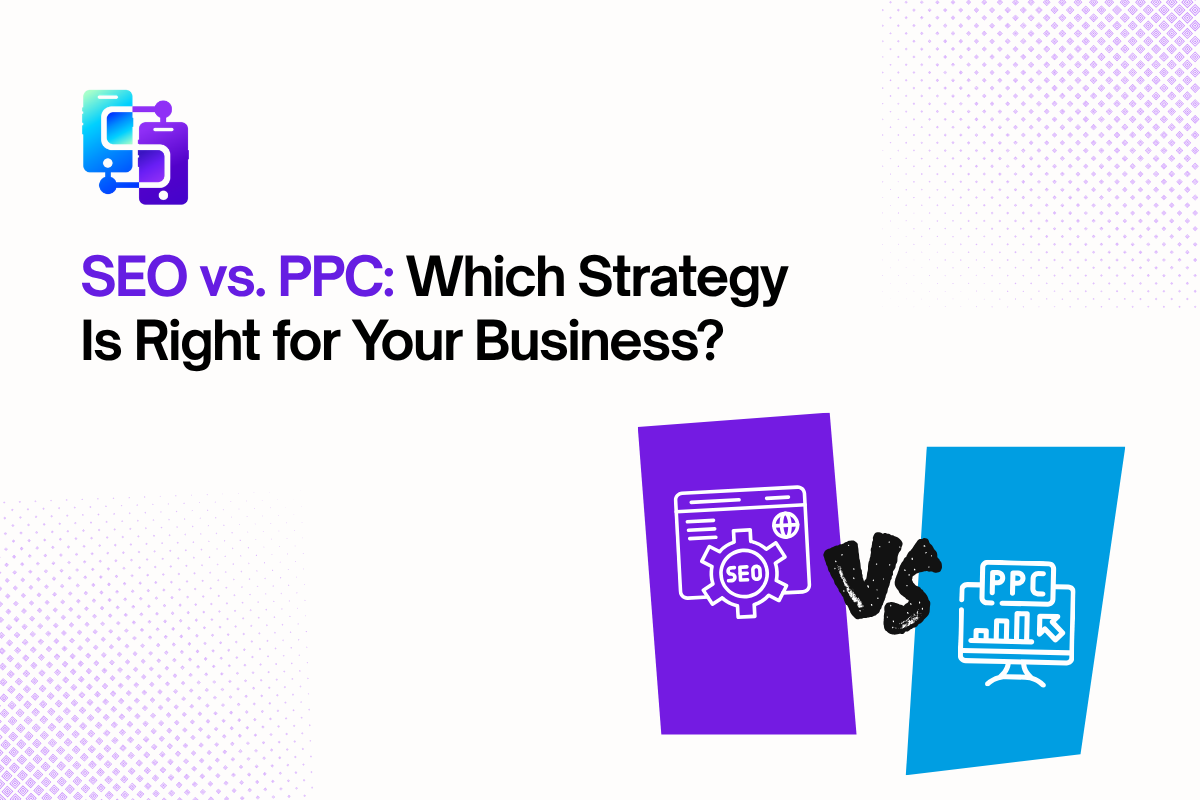
What is SEO and PPC in Digital Marketing?
SEO and PPC are two big parts of digital marketing. SEO (Search Engine Optimization) means working on great content, gaining respect through good links, and making sure the site runs smoothly, too.
PPC stands for Pay-Per-Click. With it, businesses pay each time an ad gets clicked after bidding on certain keywords. Most people associate PPC with Google Ads, but it also covers Bing, Meta, and other platforms.
The Difference Between SEO and PPC
The main differences between PPC and SEO revolve around time, cost, and control. With SEO, once a page ranks well, it can pull in clicks for months or even years without you constantly spending more cash. On the flip side, PPC delivers quick traffic but disappears once your budget runs out.
Another key difference? Both strategies work differently in getting noticed. SEO relies on building relevance and authority to rank well, not buying spots. That makes it tougher to game the system with fake results. PPC offers much more control over where your ads show up, down to specific times of day.
SEO vs. Pay Per Click (PPC): A Side-by-side Comparison
When to Lead with PPC vs. SEO
Go with PPC if you're just starting out and need immediate traffic, running a time-sensitive promo, entering a super competitive market where SEO won't help for at least a year, or want to test messages and offers before fully committing to creating a ton of content.
If you're in it for the long haul and want your investment to compound over time, your audience is researching and prefers ad-free editorial content, or paid clicks cost way too much for your industry, then choose SEO.
Opt for both strategies when you've got the dough to spend on a full-scale PPC and SEO marketing, your sales funnel includes both awareness and conversion stages where each type shines, or you want to use quick-paid data to guide your long-term organic growth.
The Bottom Line
There is no universally correct answer to the PPC vs SEO marketing debate. New businesses often need the immediacy of PPC marketing and SEO working together. Established brands with strong content operations may find that doubling down on organic gives the best return per dollar spent. What matters most is making a deliberate, well-informed choice and then measuring rigorously enough to know whether it's working. If you are running a business and want both services, you can contact Shaharyar Technologies.
FAQ’s
What is PPC Marketing?
PPC (Pay-Per-Click) marketing is a paid advertising model where you bid on keywords and pay only when someone clicks your ad. Google Ads is the most common platform. It puts your business at the top of search results immediately, as long as your budget is active.
What is PPC and SEO Marketing Together?
PPC and SEO marketing is a combined digital strategy where businesses run paid ads for immediate visibility while simultaneously building organic rankings for long-term traffic. Together, they provide full control over traffic, revenue, and growth.
How to Set Performance Goals for Outsourced SEO Tasks?
If you're working with an agency or freelancer on SEO.
Tie goals to business outcomes
Use a milestone model for the first 6 months.
Separate on-page from off-page goals.
Review the site quarterly.
 Aug 20, 2026

Leave A Comment