


 Comments (0)
 3 min Read
By Shaharyar Technologies, June 11, 2026
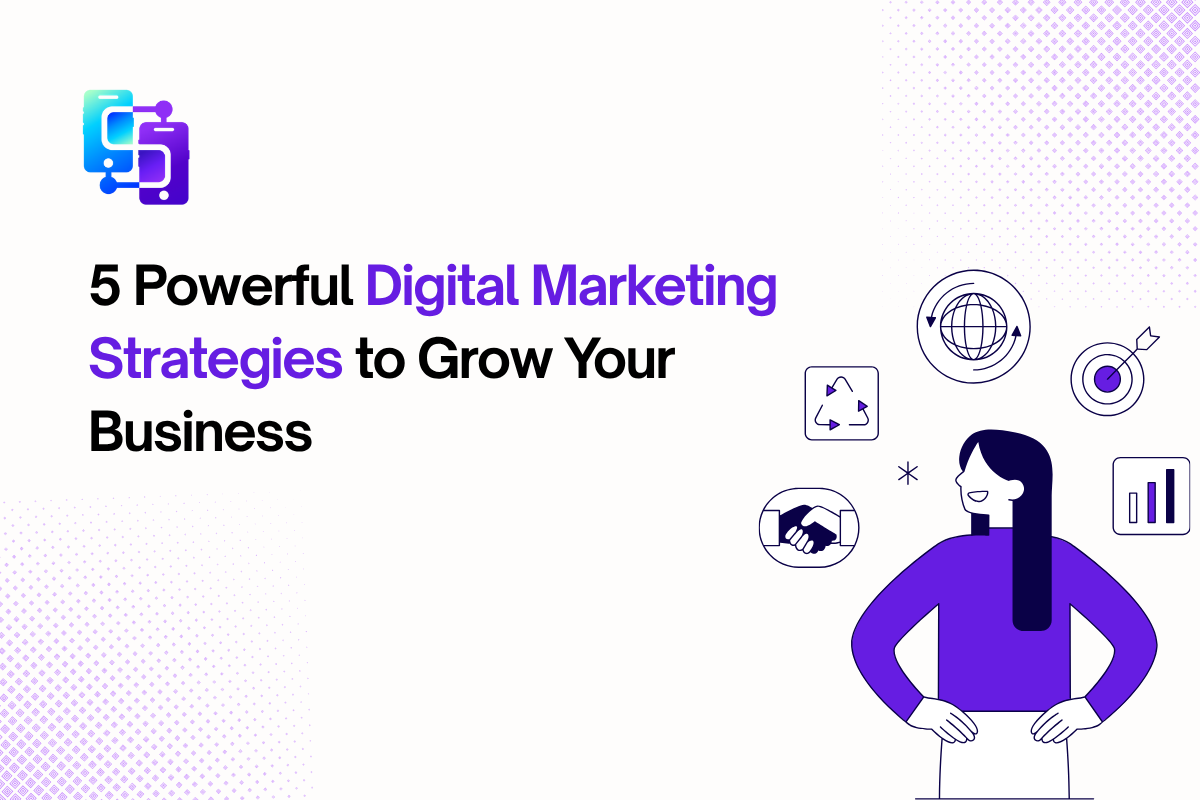
Every business today is fighting for attention online. Your rivals are advertising their products or services, producing content, and getting ranked on search engines, but your prospective customers keep scrolling without coming across your brand. The distinction between successful and failed brands comes down to one thing: a smart digital marketing strategy. So, we jot down 5 most effective digital marketing strategies that are working right now with practical examples.
What Is a Digital Marketing Strategy?
Digital marketing strategy for business refers to the approach your company will take to leverage online channels, such as search engines, social media platforms, email, content creation, and pay-per-click ads, to attract and convert your target audience. Without the strategy, you are just creating noise. With the help of a strategy, every move brings you closer towards achieving quantifiable success.
What are The Strategies of Digital Marketing?
As you explore digital marketing strategy services or create your own, these are the five winning strategies. Below, we explain them with examples so you can properly understand.
Strategy 1: Search Engine Optimization (SEO)
It goes without saying that SEO is still one of the most effective digital marketing strategies. It brings organic traffic that grows exponentially over time. While you stop getting hits from PPC campaigns as soon as you run out of money, this approach never stops working for you 24/7.
Main SEO activities: keyword research for popular search terms among your target audience, on-page optimization (title tags, heading tags, and meta description), technical SEO, and link building.
Example: a small local accounting company conducts SEO for the phrase "small business tax services [location]" and and regularly creates high-quality financial tips. In six months, their site starts showing up on page one - free clicks.
And this strategy works wonders for B2B businesses, as it enables ranking for information queries used by potential clients who thoroughly research products/services before buying.
Strategy 2: Content Marketing
Content marketing is the engine that powers nearly every other digital marketing strategy. Blog posts fuel SEO. Videos drive social engagement. Case studies close sales. The best digital marketing strategy combines content with distribution, creating once and amplifying everywhere.
What it involves: Blog posts, guides and long-form articles, videos/webinars, infographics/whitepapers/case studies, and even podcasts.
Example: A SaaS product creates an ultimate guide for project management, optimized for over 50 keywords, with social shares from LinkedIn, generating a high conversion rate of free trials from just one single piece of content.
When building your digital marketing campaign strategy, content should be the foundation for everything else. Without valuable content, ads have nothing meaningful to point to, and email has nothing worth sending.
Strategy 3: Social Media Marketing
Brand relationships come alive on social media. Of all the strategies in digital marketing that drive brand awareness and community building, social media marketing is simply unmatched in both scope and credibility. It’s about choosing the right social media channels for your target market.
What it involves: Regularly scheduled posts through native content types (Instagram Reels, Threads, and LinkedIn articles) as well as social listening and responding to feedback, collaboration with influencers/creators, and social advertising campaigns.
Example: By posting motivational messages, workout tips, and personal accounts of weight-loss journeys, a fitness brand builds an online community on Instagram. Not only does their organic social media presence attract new clients, but paid social media campaigns also retarget those followers with product offerings.
For B2B businesses using digital marketing strategies, LinkedIn is especially useful. Content creation, industry participation, and LinkedIn ad campaigns can generate substantial leads.
Strategy 4: Email Marketing
If you ask any marketer which channel has generated the most revenue for their business, most would agree it is email marketing. Among the 5 marketing strategies every company needs, this one stands out, with an average ROI of $36-$42 per dollar spent.
What it involves: creating an audience list of segmented, opt-in subscribers; setting up autoresponders and nurture sequences; launching promotional emails; announcing news and new products; and sending regular newsletters full of valuable information.
Example: A retailer implements an abandoned cart sequence and sends automated emails to customers who abandoned their purchases during their online shopping session. With three emails (a reminder email, social proof, and a tiny discount), the retailer automatically recovers around 15%-20% of their cart abandonment rate.
Email marketing as part of the digital marketing strategy for a business requires personalization, segmentation, and the right timing.
Strategy 5: Paid Digital Advertising (PPC & Paid Social)
When you need fast results, the best way to accelerate is through paid advertisements. Using Google Ads, Meta Ads, LinkedIn Ads, and YouTube advertising puts you in a position to ensure that your message goes out to the perfect customer – through keywords, demographics, behaviors, or remarketing.
What it involves: Google Search & Display Ads (PPC), Meta (Facebook & Instagram) Ads, LinkedIn Ads for B2B lead generation, YouTube pre-roll video ads, and retargeting campaigns.
Example: A SaaS company runs a Google Search campaign with the keyword phrase "best CRM for small business" and acquires leads from Google searches at an expected cost per acquisition, which will help them acquire sales even before their SEO campaigns are fully optimized.
A well-structured digital marketing campaign strategy uses paid ads not to replace organic growth, but to complement it, amplifying what already works and filling gaps in the funnel.
How to Build Your Digital Marketing Strategy
Building a strategy that actually works for your business requires a few more steps:
Define your goals
Know your audience
Audit your current presence.
Choose your channels
Set KPIs and track performance.
Iterate constantly
If you're looking for professional support, digital marketing strategy services from a specialized agency can help you skip the learning curve and build a data-backed plan from day one.
Final Thoughts
Digital marketing is all about consistency and doing things correctly. The companies that grow online are not the companies with the largest budget and team; they pick their communication channels wisely, always know why they are present and constantly improve their marketing strategies. All digital marketing strategies mentioned in this guide have the potential to make a huge difference for your company.
 Aug 20, 2026

Leave A Comment